 Inspection records ↗
 Talk to QC ↗
01
Sampling
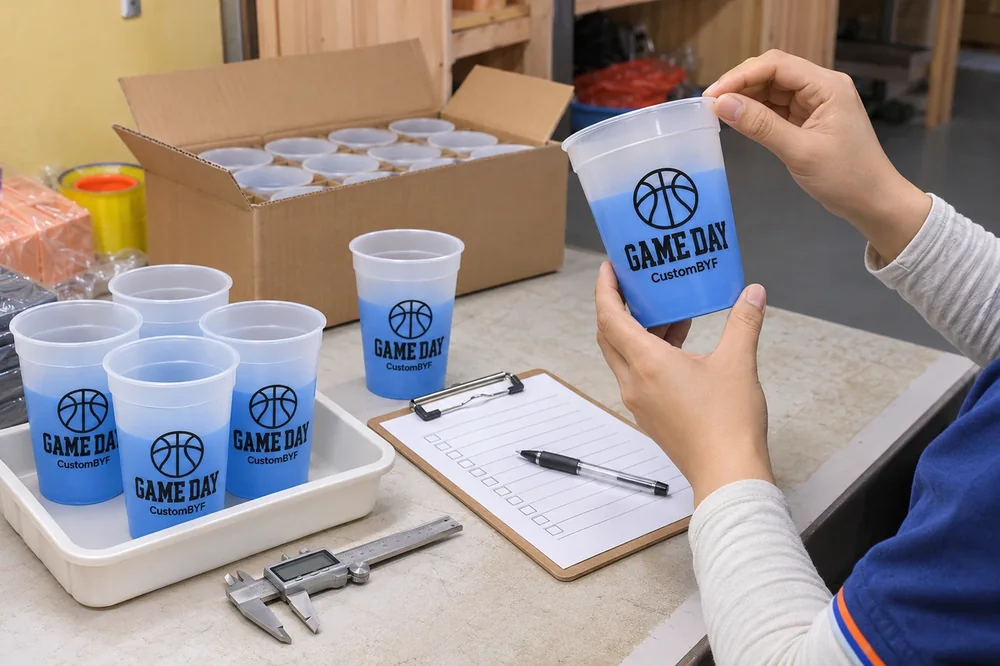
Random sampling from the finished-goods warehouse against the agreed AQL; batch, cavity and sampler recorded.
Home / Factory & Quality / Quality Testing
Quality Testing
Before every bulk shipment, our testing room runs these six tests at a fixed sampling ratio. If an item fails, the line stops for re-inspection before we decide on rework or replacement.
Method, sampling and acceptance values are written out below — check them against our inspection records.
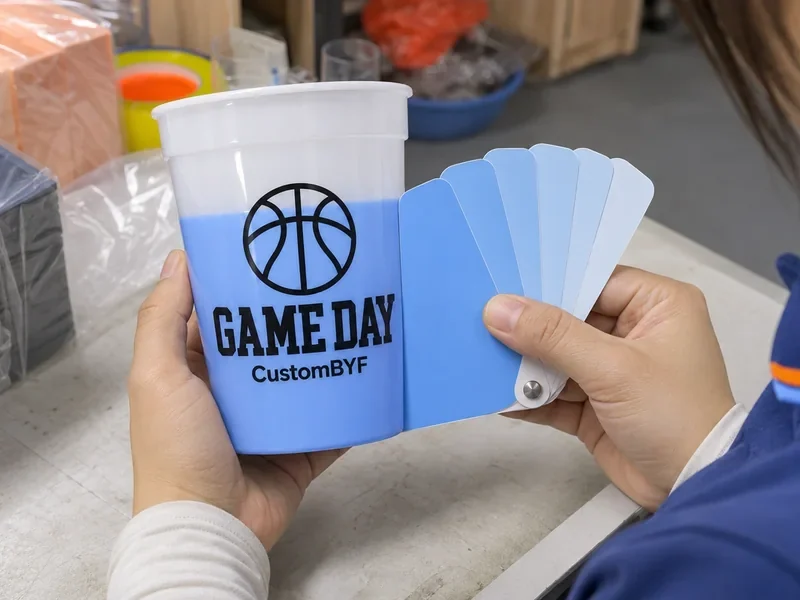
“Looks fine” is not a standard. Every test is pinned to three things: how it is run, how many pieces are sampled, and what counts as a pass. The standard goes into the order; the inspection record follows the standard.
Covering the six places where drinkware usually goes wrong: colour, heat, print, silicone, sealing and transport.
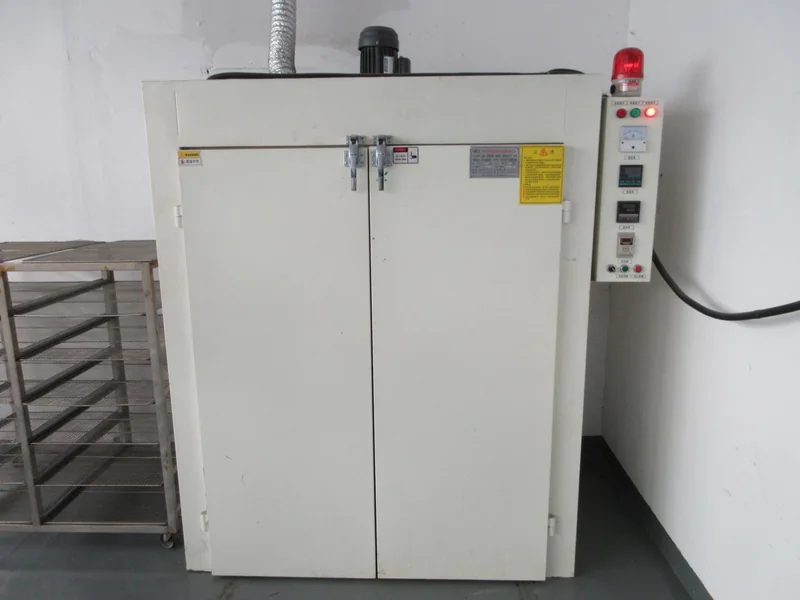
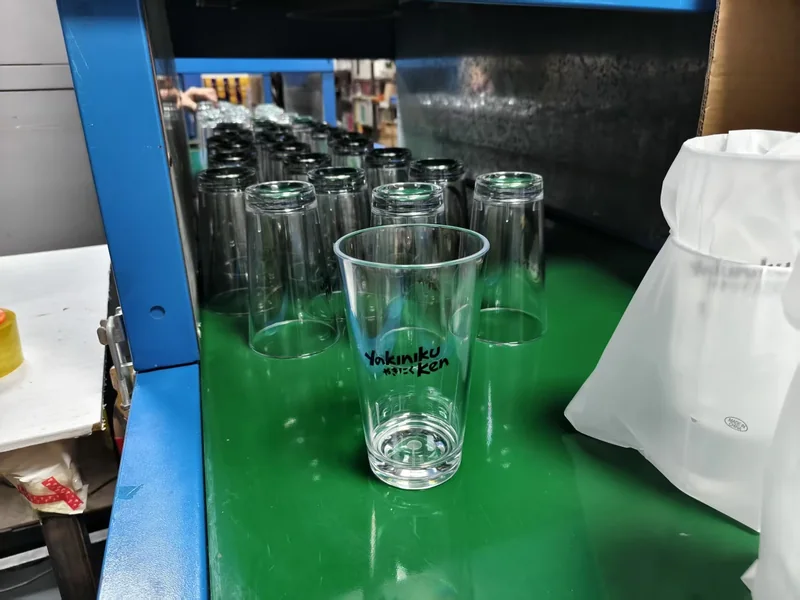
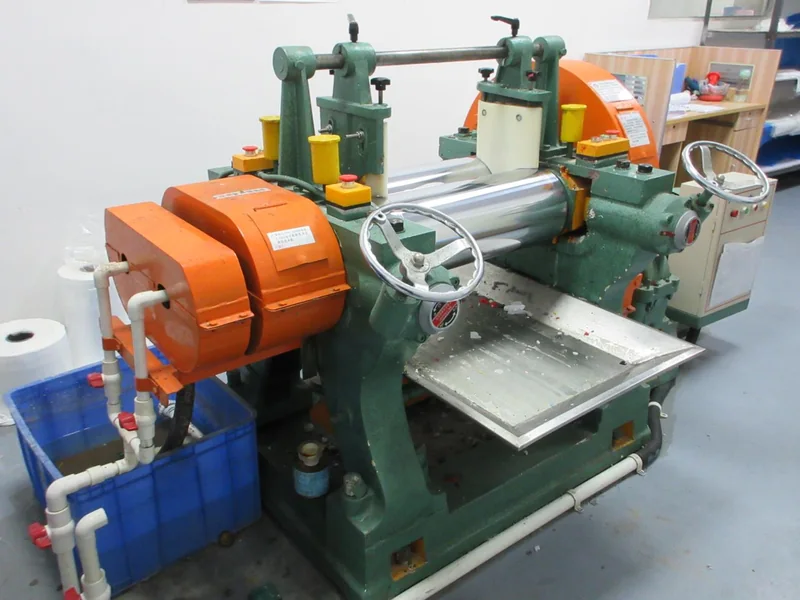
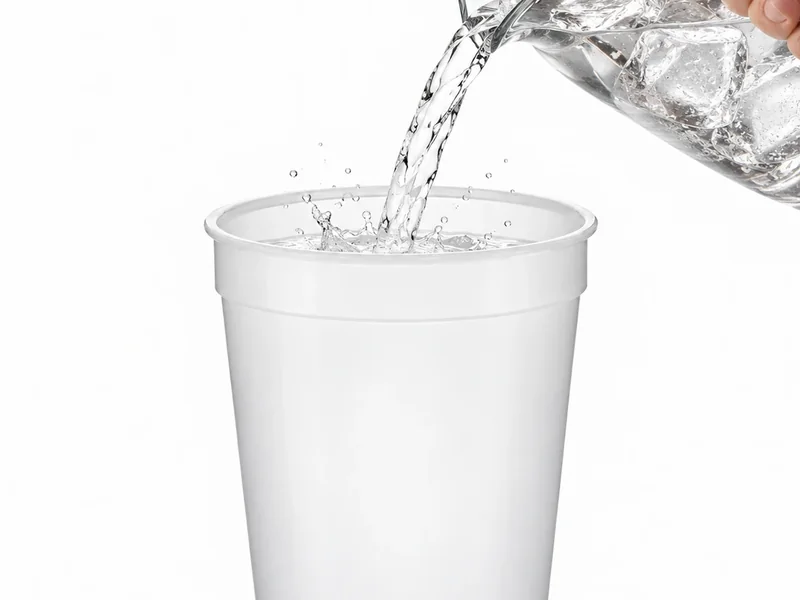
One table for all six: how we test, how much we sample, what passes.
| Test item | Method | Sampling | Acceptance |
|---|---|---|---|
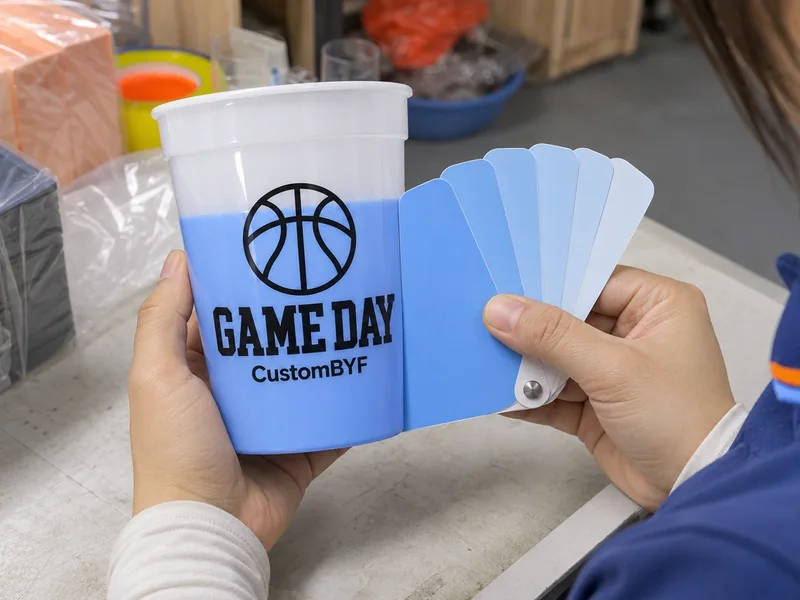
| Colour Difference & Consistency | Compare finished parts with the signed-off colour swatch and Pantone reference inside a D65 light booth; repeat across moulds within the same batch. | 5 pcs per colour, per batch. | ΔE ≤ 2 against the approved sample; no mottling, flow lines or localised whitening. |
| Heat & Thermal-Shock Resistance | 30 min soak at 60°C; one standard dishwasher cycle at 65°C; rest 2 h at room temperature, then inspect. | 5 pcs per batch. | No rim softening, no body deformation or cracks, no blistering on printed areas. |
| Print Adhesion | Cross-hatch with 3M 610 tape and peel at 45°; then 50 double rubs with 75% alcohol on the printed area. | 3 pcs per design, per batch. | No peeling, no missing dots, no bare substrate; artwork remains legible after rubbing. |
| Silicone Rebound & Compression Set | Compression set at 50% deflection, 70°C for 22 h, thickness measured 30 min after release; plus three 100% tensile cycles. | 3 pcs per mould cavity. | Permanent set ≤ 10%; no tearing, tackiness or blooming. |
| Leak & Seal | Fill to 80% with room-temperature water; 2 h inverted and 2 h on the side; valved lids also hold 0.3 bar for 30 s. | 10 pcs per batch. | No seepage or droplets at body, lid or straw joint; lid stays seated and latched. |
| Transport Packaging | 1.2 m six-face carton drop; 30 min vibration table; 24 h stacking, then open and inspect. | 1 carton per batch. | No visible carton damage or damp, no broken contents, no scuffing on gift boxes or print. |
Sampling ratios and acceptance values follow the AQL and signed-off sample agreed in the order. Where a customer standard applies, it governs and is written into the inspection record.
Four steps from sampling to report, each one recorded.
01
Random sampling from the finished-goods warehouse against the agreed AQL; batch, cavity and sampler recorded.
02
All six tests are performed in sequence; any defect is quarantined and kept out of the shipment.
03
Each item is judged against the approved sample and written into the inspection record with a disposition.
04
An inspection report ships with the goods; records are retained so repeat orders use the same standard.
Let’s build your next product
Tell us the product type, target market and acceptance requirements. We will turn them into a test plan — sampling ratio, test items and acceptance values — and send it with the quotation.
No model selected? Describe your project in the requirements field — we will reply with the closest route.